HOW TO BUILD A PRODUCT BRAND IDENTITY THAT TURNS HEADS

Your marketing team has put in a lot of work to ensure your product is well-received. But if it isn’t performing as you’d hoped, you should check your brand positioning strategy. Whether you have the highest quality product on the market or not, your product can’t be successful without a strong brand identity.
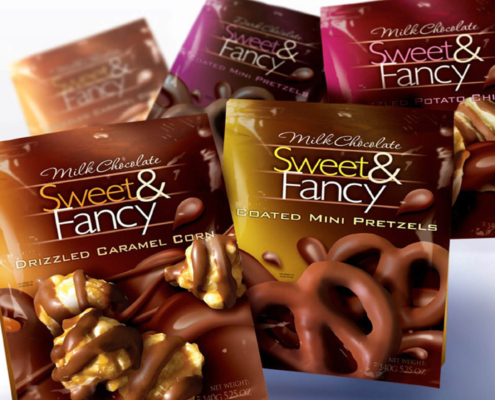
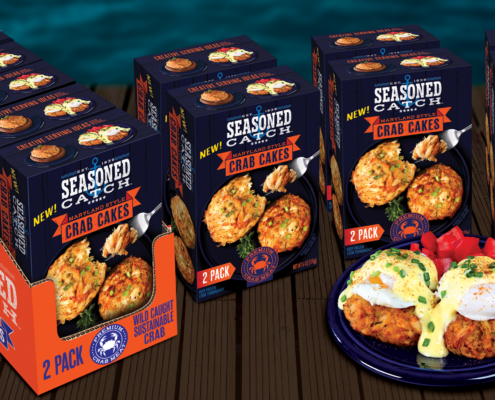
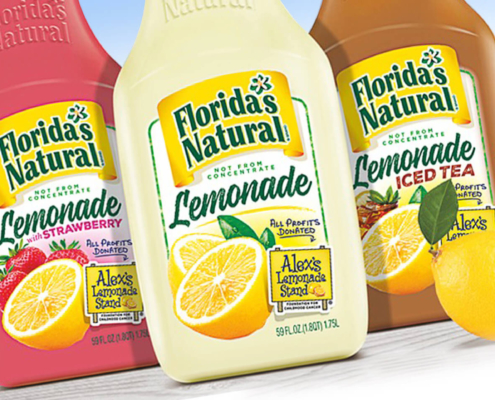
Keep reading this guide to learn tips on how to captivate an audience, like:

  • The fundamentals of brand identity
  • When you should rework your brand strategy
  • How to develop a strong brand identity
  • Which companies have crafted a strong brand identity

Defining Brand Identity

Brand identity is a marketing concept that describes the visible elements—logo, color, design, packaging—that a company uses to portray a specific image and catch the eye. This helps distinguish the brand in the consumer’s mind.

Often confused with brand image and branding, brand identity refers to the intent behind a brand’s personality. Having a clear positioning statement and consistent messaging is key to creating one. This way, customers will know what to expect and how to feel about your brand and its products.

Should I Reevaluate My Brand?

Here are common signs you might need to assess your current brand identity.

  • You’re launching a new product or service.
  • You’re not seeing the results you want from your current marketing efforts.
  • Your customers’ perception of your brand doesn’t match what you think it should be.
  • Your competitors have started to overtake you in terms of market share.
  • You don’t have a clear understanding of who your target audience is and what their needs are.

Often overlooked, one of the most important parts of your brand’s identity is its packaging. Read our helpful guide on the food packaging design process.

How to Develop a Strong Brand Identity

Follow these steps to start building an effective brand strategy:

1. Conduct a Brand Assessment

Look at all aspects of your business, from customer feedback to marketing materials, to understand how these elements create a unique, recognizable image for your business.

During the assessment process, your team should ask questions like:

  • “What do customers think about our product or service?
  • “How does it compare with competing offers?”
  • “What sets it apart from other similar products or services?”

2. Define Your Brand Positioning

Establish what makes your product unique and different from the competition. Additionally, take this opportunity to describe how consumers perceive it. If your brand positioning is solid, you’re guaranteed to gain brand loyalty and increased sales.

Brand positioning can be broken down into these simple steps:

  1. Identify your target market and what they want or need from your product.
  2. Determine what makes your product unique and appealing.
  3. Prioritize strong messaging that communicates these attributes to the consumer.

3. Curate Your Visual Elements

Once you’ve gained a sense of direction with how you want your brand to be perceived, it’s time to focus on the heart of your brand’s identity—the visual elements. Consider the following:

  • Logo – Your logo doesn’t have to be complicated, but it should be memorable. Take a logo like Coca-Cola, which has stood the test of time and stayed true to its simple roots.
  • Colors – Choose colors that are consistent with your overall brand identity. Understand the impact of colors on consumer decisions and pick brand colors that fit your product.
  • Fonts – Select fonts that are easy to read and attractive to the eye. Make balanced use of white space to ensure your words don’t appear cluttered or jumbled.
  • Imagery – Use visuals that align with your brand values and resonate with your target customers.
  • Messaging – Create messages that convey your brand’s mission statement, values, and positioning in a concise and memorable way. Ensure you keep the same tone of voice and avoid false or misleading claims.

Companies That Have Expertly Used Brand Positioning to Their Advantage

As you build your brand identity, consider real-world food and beverage companies that succeeded due to a solid marketing strategy, like Coca-Cola, McDonald’s, and Oreo.

Coca-Cola

Coca-Cola is one of the most iconic brands in the world, and its brand positioning is based on a sense of optimism and fun. They have used nostalgic imagery, an appealing red color in their packaging and logo, and catchy slogans to create an emotional connection with their customers.

McDonald’s

McDonald’s has built a strong brand identity by being consistent with their messaging and visuals. The golden arches are recognizable worldwide, and they use this symbol as an integral part of their branding. Additionally, they’ve stayed relevant over the decades by consistently introducing new menu items and giving customers what they want.

Oreo

Like Cola-Cola, Oreo is a brand that has existed for over 100 years. They have created an identity for themselves by using their iconic cookie design in ads and packaging and leveraging their tagline, “Milk’s favorite cookie.” They’ve become known for the iconic blue packaging on their original cookie, a color commonly associated with safety and serenity.

Let DePersico Creative Help Define Your Brand Identity

While these brands have remained successful throughout the years, they haven’t always had the perfect strategy. Curating a good brand identity and building trust takes work, but with the help of a design studio like DePersico Creative, your marketing team can take your brand and its products to the next level.

We’re a family-owned design studio that specializes in food and beverage packaging, branding, and product positioning. Our team of creative and fun-loving experts understands the power of strong and consistent messaging, so we’re happy to help get you started with a product opportunity assessment to see if your brand is on track for success.

We’re eager to help take your brand to the next level. Take a look at our portfolio and contact us today.

Related Postings