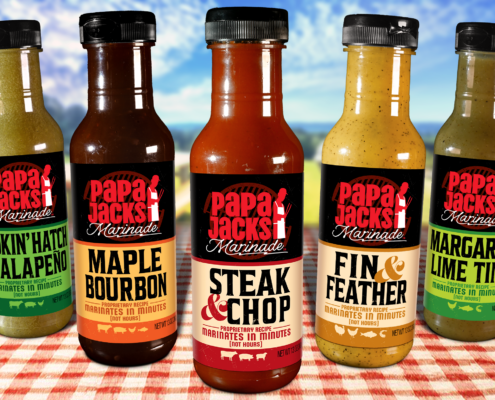
The Power of a Great Product Positioning Strategy

A well-executed product positioning strategycan be the backbone of a successful brand, aiding companies in distinguishing themselves from competitors, communicating value, and driving sales. The key to thriving in competitive markets lies in how you differentiate your products and position them in the minds of the consumers. Keep reading to learn more about product positioning, its role in marketing strategy, and how a potent product positioning strategy can be developed.

What Is Product Positioning?

Product positioning refers to how a product or service is viewed in the marketplace compared to its competitors. Effective product positioning is key for businesses looking to differentiate themselves and connect with their target customers. At its core, product positioning goes beyond merely listing the physical features or benefits of a product. It’s important to view it as a marketing strategy that emphasizes the emotions, values, and perceptions that the product invokes in your audience.

There are a few key elements that make up an effective product positioning strategy:

  • Identifying the target customers and market
  • Highlighting the product’s unique selling proposition or key differentiators
  • Crafting a compelling brand story
  • Comparing the product with competitors

Why Is Product Positioning So Effective?

A strategic positioning can serve as a brand’s best offense and defense amid fierce competition. This advantage arises from creating a brand image and perception that resonates deeply with consumers, making the product seem irreplaceable. Think of it as the art of making sure your product stands out in a crowded marketplace by highlighting its unique features, benefits, and value proposition. This isn’t just about what you sell but how you sell it and how it’s perceived.

Why does this matter so much? Well, in today’s competitive environment, consumers are bombarded with choices. Your product positioning strategy is your chance to cut through that noise and grab their attention. It’s not just a part of your marketing plan; it’s the backbone of it. The right strategy can elevate your product from being just another option to being the preferred choice.

Trying to transform your brand to reflect a new era? Read our guide on revitalizing your brand packaging.

How to Develop a Powerful Product Positioning Strategy

When developing a positioning strategy, take the following steps:

1. Identify and Understand Your Target Audience

The cornerstone of any successful product positioning strategy begins with an intimate understanding of your target audience. Knowing who they are, what they value, their pain points, and what they’re seeking in a product allows a brand to tailor its messaging and product offerings to align closely with the audience’s desires and needs.

Get very specific on the customer profile—demographics, needs, behaviors, etc. Understanding the market helps position against direct and indirect competitors. For example, if a brand identifies its audience as environmentally conscious consumers, it might position its product as not just beneficial to the user but also eco-friendly, tapping into the values and ethics that matter to its audience.

Conducting thorough market research, utilizing data analytics, and fostering direct engagement through social media platforms are vital in gathering the insights needed to form a precise picture of your potential customers. It’s this deliberate, informed approach that can transform a general product into a cherished brand.

2. Analyze the Competition

Conducting a competitive analysis is a non-negotiable part of formulating your product positioning strategy. This involves examining direct and indirect competitors to understand how they position their products, their strengths, weaknesses (SWOT analysis), and any gaps in the market.

Direct competition refers to brands offering very similar products. Indirect competition covers alternatives that customers might consider instead. By identifying these gaps, small businesses can gain a competitive advantage by positioning their product as the best solution to unaddressed customer needs or problems.

Analyze product features, pricing, marketing messaging, customer service reputation, and more across relevant competitors. Identify common themes and points of parity as well as areas of differentiation. Next, compare your findings to competitive offerings to find areas of differentiation. This information will feed into crafting a unique selling proposition that forms the core of your positioning.

3. Understand Customer Needs

Now with clarity on the target audience and competition, the next component is understanding customer needs, pain points, and the ability of the product to map to these. Techniques like creating customer personas and user stories help humanize quantitative data previously gathered.

Survey or interview questions about what factors drive purchase decisions, perception of different product features, and feelings associated with solving particular problems can prove insightful. Observing online reviews and mentions can reveal recurring themes about customer sentiments as well.

This knowledge advances a business’ grasp of what offerings and messaging will truly attract customers and where there are wells of unmet demand to tap into. The goal is positioning that captures what makes the target audience tick.

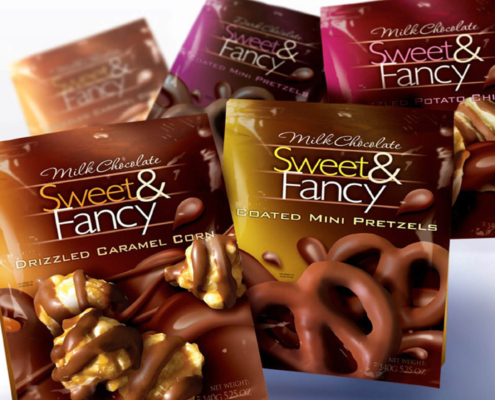
Knowing how your brand currently impacts customers is crucial. Have a SWIFI assessment performed on your food and beverage product, courtesy of DePersico Creative.

4. Create a Unique Selling Point (USP)

What makes your product different and better than the others out there? That’s your USP. It could be a pioneering product feature, innovative product management practices, superior customer service, or even how your product contributes to a better customer experience.

A USP concisely articulates what makes a brand, product, or service unique in a competitive space to sway customer choice. This clarifies why the target audience should buy from this business over alternatives in a compelling, memorable way. Some proven frameworks for developing USPs include highlighting superior product attributes, lower cost, niche specificity or aspirational branding.

Knowing your USP is essential for crafting a compelling product positioning statement that communicates the value of your product to your target audience effectively.

5. Craft a Compelling Brand Story

Humans are inherently drawn to stories—they are a fundamental way we understand the world. A compelling brand story can elevate a product from being just another item on the shelf to a symbol that people feel emotionally connected to. Storytelling in product positioning is not about fictionalizing but about weaving the brand’s values, mission, and USPs into a narrative that people find relevant and captivating.

6. Test the Positioning Strategy

The final component is measuring positioning strategy for impact against business KPIs like brand awareness, consideration, sales, and customer loyalty relative to costs.

Techniques like A/B testing alternate messaging or using promo codes to track campaign response help quantify performance. Interviews and surveys also grant perceptional feedback while monitoring reviews demonstrates real customer reactions.

Consistent assessment enables the refinement of elements like USP articulation or channel targeting to achieve an optimal return from the positioning investment. With the heavy lifting of upfront positioning research and creation behind them, businesses must still connect strategy to actual customer contact through orchestrated marketing campaigns and product delivery pipelines to transform positioning into power in the long run.

Key Takeaways

  • A great product positioning strategy is vital to set a brand apart in today’s hyper-competitive market. It moves the product beyond its physical attributes, connecting it with the audience on an emotional level and embedding it in their lifestyles and identities.
  • Through understanding the target audience, crafting a compelling brand story, and articulating clear, resonant brand values, brands can achieve an unparalleled competitive advantage.
  • This strategic approach not only elevates the product but also builds a community of loyal customers who believe in what the brand stands for.
  • In the crowded marketplace of today, it’s not just about being seen – it’s about being remembered, cherished, and chosen, time and again.

Position Your Food or Beverage Brand With DePersico Creative

Unlock the potential of your food or beverage brand with DePersico Creative’s unrivaled product positioning strategy services. We delve deep into the essence of your product, leveraging our comprehensive SWIFI brand analysis to not only understand your market but to ensure your product stands out vividly against competitors.

Let us transform your brand’s presentation from the inside out, starting with a free 30-minute consultation, and discover how our strategic creativity can elevate your product to be the chosen one.

Contact Form

More Like This

Stand Out on a Retail Shelf With These Small Business Branding Tips

Discover small business branding tips that work on a retail shelf. Learn how intentional design and brand clarity help small brands compete and win.

Packaging Design Trends for 2026: What to Keep an Eye On Over This Year

Explore the top packaging design trends for 2026 and see how food and beverage brands can use modern design to stand out, build trust, and inspire trial.
packaging designer working

How to Design Packaging for Startups

Learn how to design packaging for startups with simple formats, label-first options, and a packaging design strategy that scales.
top view flat lay disposable blank delivery food packaging on a beige and brown background

How to Tell Your Story Through Brand Packaging Design

What makes your product fly off the shelf? It’s not always the ingredients or price, but the story your brand's packaging design tells. Learn more.
How to Conduct a Brand Analysis

How to Conduct a Brand Analysis

 A brand analysis is a top-tier method for understanding audience behavior. But what is it, and how do you conduct one? Read our guide to learn more.
The Impact of On-the-Go Food Packaging Design on Eating Habits

The Impact of On-the-Go Food Packaging Design on Eating Habits

Your fast food choices are much deeper than you think—and we can prove it. Learn more about the impact of on-the-go food packaging design on eating habits.
Close-up view of the hands of a manufacturing worker putting packed products in cardboard boxes

The Power of Holiday Product Packaging Design

Discover the secret to captivating holiday product packaging design and start making a lasting impact during the festive season.

How to Spot Product Opportunities With a Market Gap Analysis

 Discover untapped market potential and learn how to identify product opportunities with a comprehensive market gap analysis.
How to Tell Your Story Through Visual Branding

How to Tell Your Story Through Visual Branding

Today, storytelling is more than just the written and spoken word. Learn why visual branding is more important than ever.