How to Tell Your Story Through Brand Packaging Design

In an overcrowded retail space, your brand rarely gets the luxury of a second chance. Packaging is often the first (and sometimes only) touchpoint with a customer. When done right, brand packaging communicates your values, personality, and promise to the consumer.

If you want to create an emotional connection and carve out space in a crowded market, you need packaging that tells your story.

Why Storytelling Matters in Brand Packaging

Shoppers are inundated with choices, especially in the food and beverage aisles. Your product might have better ingredients or a superior flavor, but if your packaging doesn’t stop someone in their tracks, they’ll never find out.

Story-driven brand packaging bridges that gap. It builds recognition, creates emotional resonance, and influences purchasing decisions before the customer even reads the back panel.

When consumers connect with your story, whether it’s about sustainability, family tradition, or bold innovation, they’re more likely to buy your product and remember your brand. And that’s the start of loyalty.

Color Speaks Before Words Do

Color is one of the most immediate ways to communicate emotion and brand positioning. It can suggest flavor, mood, and even price point. For example:

  • Earthy tones often imply natural ingredients or artisanal quality.
  • Bright, playful colors may appeal to families or snack-seeking kids.
  • Monochrome or matte finishes signal premium or minimalist positioning.

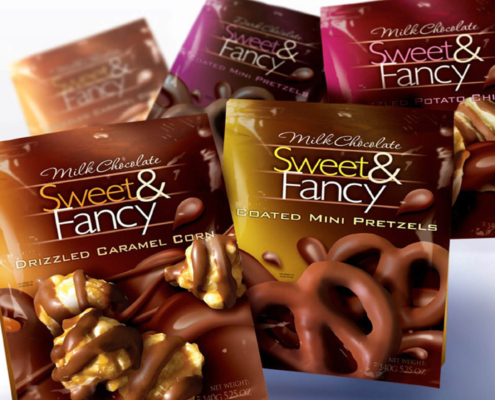
Your color palette should align with your brand values and target demographic. Consistency across SKUs builds recognition, while strategic variations (like seasonal tones or limited-edition colorways) can create excitement without confusing your identity.

Typography Should Reflect Your Voice

Fonts are both design choices and personality cues. Clean sans-serifs might signal modernity and health consciousness. A hand-lettered script can suggest heritage or small-batch craftsmanship.

For food packaging, clarity is especially important. Busy shoppers want to know what they’re looking at quickly. Your typography should support both function and feeling: easy to read, and in harmony with your story. Always choose no more than two or three complementary fonts, use size and weight to create a clear hierarchy of information, and avoid decorative fonts that sacrifice legibility.

Done right, your type choices will help customers recognize your product even from across the aisle.

Choose Imagery That Supports the Narrative

Photos, illustrations, and patterns should all work to extend your brand’s visual story. The style you choose, whether bold and graphic, soft and nostalgic, or elegant and refined, should be intentional and repeatable across your product line.

Let your visuals answer unspoken questions:

  • What kind of experience does your food or drink deliver?
  • What kind of person is it for?
  • Where will they enjoy it—in a gym bag, on a dinner table, or at a weekend picnic?

Use imagery not just to decorate, but to immerse the customer in your brand world.

Use Messaging That Builds Trust and Connection

Your packaging has limited space, but every word matters. What you choose to say and how you say it should deepen the connection with your audience.

Taglines, product descriptions, and callouts like “locally sourced,” “family-owned,” or “no added sugar” can reinforce your brand values and create emotional relevance.

When writing your front-facing copy:

  • Lead With Clarity: What is this product?
  • Reinforce Differentiation: Why should someone care?
  • Echo Your Voice: Is it witty, humble, bold, or nurturing?

In food label design especially, consumers want transparency and personality. Your words should make them feel informed and aligned with your mission.

Want to turn packaging into a brand loyalty powerhouse? Discover how private label packaging builds trust and keeps customers coming back.

How to Build a Cohesive Brand Packaging System

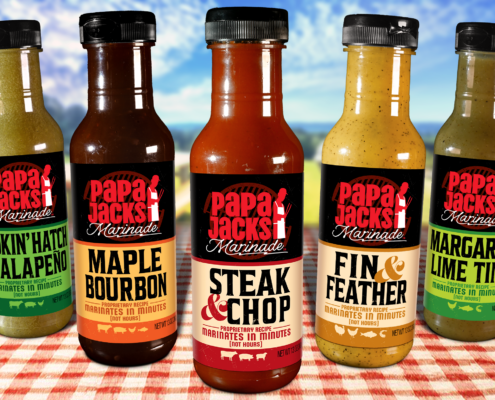
Storytelling doesn’t end with one product. The most successful brands create a family of packages that align visually and emotionally, no matter the flavor, size, or category.

To build a cohesive system, anchor your packaging with consistent brand elements (logo, color palette, font family). Use layout templates that allow variety without losing recognition, and define rules for when and how to introduce limited editions, seasonal packaging, or cross-promotional features.

If you’re developing multiple products or expanding into new formats, take time to document your packaging standards. This keeps every design decision rooted in your core story.

Examples of Storytelling in Action

Let’s say your brand story centers on heritage, such as recipes passed down through generations. You might use:

  • Vintage-inspired fonts and colors
  • A textured paper label that mimics parchment
  • Copy that references your founder’s kitchen table
  • Illustrations of key ingredients with a hand-drawn feel

On the other hand, a health-forward brand might focus on:

  • Clean, white packaging with pops of green or blue
  • Transparent pouches to show the real product inside
  • Messaging that’s benefit-first: “Protein-packed,” “No fillers,” “Fuel your day”
  • A bold, modern font that evokes movement and energy

The execution is different, but the strategy is the same: use every part of the package to reinforce the story.

Why Story-Driven Packaging Creates Loyalty

Consumers may try your product once based on price, novelty, or recommendation, but they stay because of how it makes them feel. Brand packaging plays a huge role in that emotional memory.

When a customer can recognize your values, connect with your story, and feel confident about your product (all before opening it), you’ve already won half the battle. Great packaging doesn’t just get you noticed. It gets you remembered.

The Bottom Line

Brand packaging makes your product look nice, all while telling a story people want to be part of. In a competitive food and beverage market, the right packaging helps you connect emotionally, stand out visually, and earn long-term loyalty.

From color and typography to materials and messaging, every detail is a chance to reinforce who you are and why your product belongs in someone’s cart.

So if you’re ready to create packaging that speaks volumes before a word is read or a bite is taken, start by asking: What story are we telling—and is it coming through loud and clear?

Bring Your Brand’s Story to Life on Every Shelf

At DePersico Creative, we specialize in brand packaging that communicates who you are and why your product matters. Let’s turn your brand’s story into packaging that customers recognize, trust, and remember. Contact us today.

More Like This

packaging designer working
The Impact of On-the-Go Food Packaging Design on Eating Habits
Close-up view of the hands of a manufacturing worker putting packed products in cardboard boxes
Customer at store looking at dairy products on shelft